Disposal rules for funeral flowers in Harrow Council guidelines
Posted on 11/10/2026
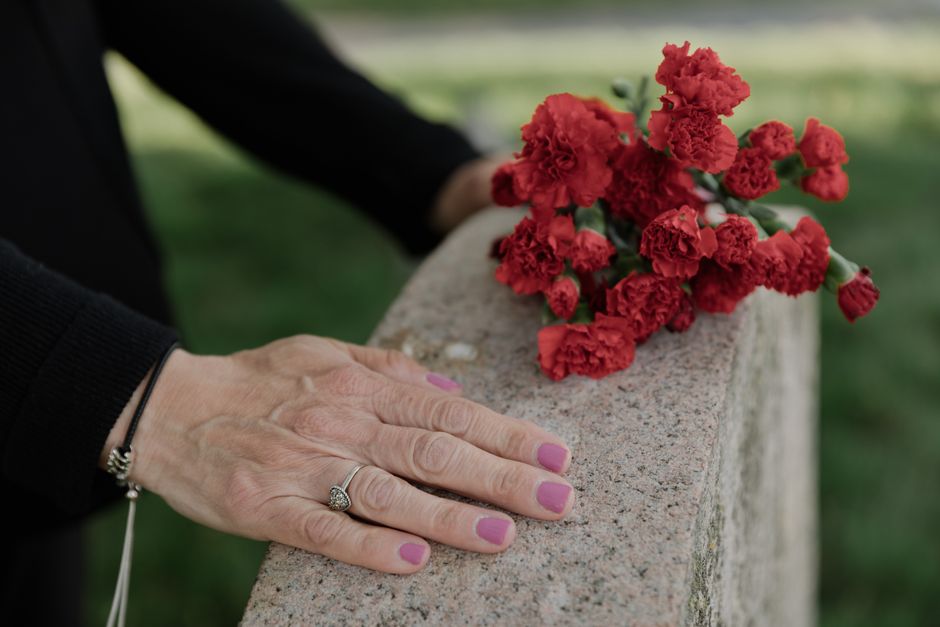
If you are sorting out funeral flowers after a service, the last thing you want is a muddle over what should be kept, composted, donated, or put in the bin. The disposal rules for funeral flowers in Harrow Council guidelines can feel a bit unclear at first, especially when you are already dealing with grief, family expectations, and the simple logistics of clearing a home or venue. Truth be told, a lot of people only think about this at the end, when the flowers are starting to fade and the question becomes very practical: what now?
This guide explains the topic in plain English. You will find how disposal generally works in a Harrow context, what respectful options are usually available, what to avoid, and how to make sensible choices without adding stress. It also covers local best practice, common mistakes, and a simple checklist you can use the same day.
One thing to keep in mind: council guidance can change, venue rules can differ, and floral materials are not all the same. A wreath with soft stems, a tribute with wire frame, and a bouquet wrapped in plastic do not always go in the same place. So let's take it step by step.
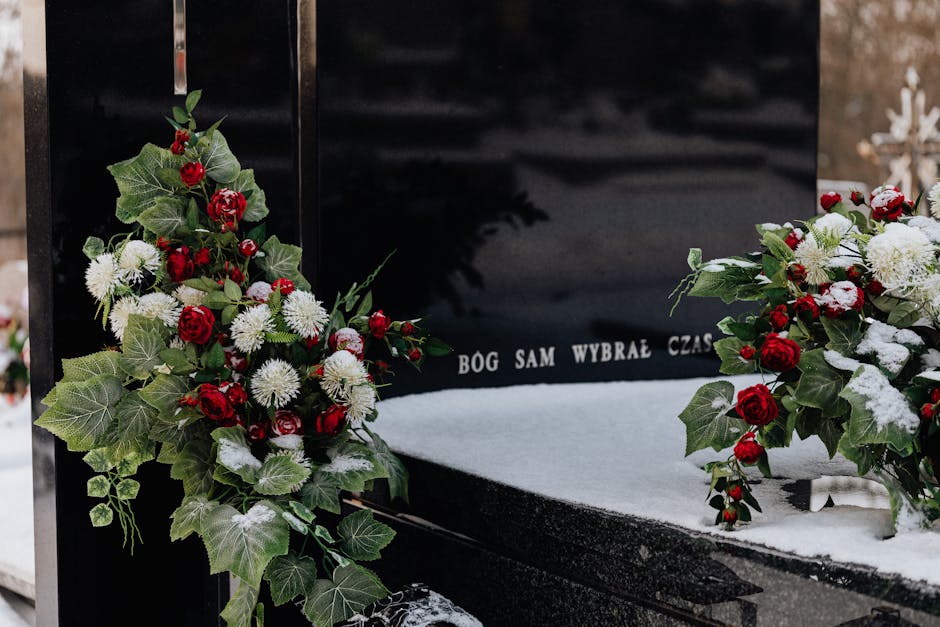
Table of Contents
- Why this matters
- How the disposal process works
- Key benefits and practical advantages
- Who this is for
- Step-by-step guidance
- Expert tips for better results
- Common mistakes to avoid
- Tools, resources and recommendations
- Law, compliance, standards, or best practice
- Options, methods, or comparison table
- Case study or real-world example
- Practical checklist
- Conclusion
- Frequently asked questions
Why Disposal rules for funeral flowers in Harrow Council guidelines Matters
Funeral flowers are not just decoration. They often carry messages, names, religious meaning, family colour choices, and memories that matter deeply. That is why disposal needs a little more care than a standard household clear-out. In Harrow, as in many London boroughs, the practical question is usually not just "can this be thrown away?" but "what is the most respectful and least wasteful way to deal with it?"
The reason this matters is simple. Funeral flowers can include natural blooms, ribbon, cellophane, florist foam, wire, tape, card holders, and plastic accessories. If you put the whole arrangement into the wrong bin, you can create avoidable waste and, occasionally, conflict with local waste collection expectations. Also, some families want certain arrangements saved for a few days, while others prefer everything cleared quickly. There is no one-size-fits-all answer. Wouldn't it be nice if there were? Unfortunately, grief does not work to a tidy schedule.
There is also the matter of venue etiquette. Cemeteries, crematoriums, churches, and private homes may each have their own informal expectations for when floral tributes should be removed. In practice, the best approach is to separate the emotional decision from the waste decision. Keep what you want to preserve. Then process the rest in a careful, sensible way.
For many households, the biggest benefit of understanding local disposal guidance is peace of mind. You are less likely to make a rushed mistake, and more likely to handle the flowers in a way that feels calm and respectful, even on a difficult day.
How Disposal rules for funeral flowers in Harrow Council guidelines Works
At a practical level, disposal works by sorting the tribute into different parts and deciding what each part is made from. That sounds slightly fussy, but it saves time later. A fresh bouquet is handled differently from a florist-made spray, and a foam-based tribute is different again.
Most people will use one of a few routes:
- Keep and dry the flowers if the tribute has sentimental value.
- Compost the natural material where appropriate, if the flowers are fully organic and free from non-compostable extras.
- Separate recyclable components such as cardboard cards or clean paper wraps where local rules allow.
- Dispose of mixed materials as residual waste if they cannot be separated safely or cleanly.
That is the basic idea. In real life, the challenge is that funeral arrangements are often mixed-material items. A lovely white wreath can contain flowers, foliage, plastic sleeves, floral foam, a wire frame, and a printed ribbon. It looks natural, but it is not always one single waste type. That is where a little sorting makes all the difference.
From a Harrow perspective, the safest assumption is to treat the arrangement by material type rather than by the emotion attached to it. The love is in the tribute; the disposal is in the materials. Slightly cold wording, perhaps, but it keeps decisions clear.
If you are ordering funeral flowers in the first place and want a respectful, locally suitable tribute, it can help to choose arrangements designed for sympathetic presentation and easier handling later. Many families look at funeral flowers in Harrow-on-the-Hill alongside other remembrance options such as funeral tribute designs and sympathy flowers when planning ahead.
Key Benefits and Practical Advantages
Understanding the disposal process is not just about being tidy. It has a few genuine practical advantages, and in our experience those matter more than people expect at first.
- It reduces stress. You are not making decisions in a rush or guessing what belongs in which bin.
- It lowers waste. Flowers that can be composted or reused do not need to be sent straight to landfill.
- It respects the tribute. A careful ending is part of the ritual for many families.
- It helps venues stay orderly. Churches, funeral homes, and homes look calmer when tributes are handled properly.
- It prevents bin contamination. Mixed tributes can contain materials that should not go into green waste.
There is another less obvious benefit: it gives you a moment to pause. Many people find that sorting flowers, card by card and stem by stem, creates a small reflective space after the service. The room gets quieter. Someone picks up a ribbon. Someone else keeps a little cluster of lilies. It is not dramatic, just human.
If you are choosing flowers for a service and want a tribute style that is easier to sort later, consider simpler arrangements or florist-led sympathy pieces with fewer mixed materials. Local shoppers often compare options from funeral arrangements with more general categories such as tributes or wreaths.
Who This Is For and When It Makes Sense
This guide is useful for a few different people. If you are reading it, you are probably one of them.
- Family members clearing flowers after a funeral or memorial service.
- Executors and organisers responsible for tidying a home, hall, or chapel after the event.
- Venue staff who need to know what can be collected, stored, or removed.
- Friends and neighbours helping with practical tasks at a difficult time.
- Florists advising customers on how to handle tributes after delivery.
It makes sense to think about disposal as soon as the tribute arrives, not just after the service ends. That does not mean you need a full plan on day one. It just means noticing what the arrangement is made from. For example, if a wreath uses natural moss, wire, and ribbon, you may want to know which parts can be separated later. If there are cards attached, keep those aside before anything is moved.
It also makes sense when time is tight. Funeral flowers can fade quickly, especially in warm rooms or if they have been outside for the service and then brought indoors. By the next day, the petals may be drooping and the water may need changing. Small things, really, but they add up.
If your priority is getting flowers delivered promptly before a service, same-day and next-day options can be helpful. Some local customers look at same-day flower delivery in Harrow-on-the-Hill or next-day flower delivery when timing matters.
Step-by-Step Guidance
Below is a simple, respectful way to handle funeral flower disposal without overcomplicating things.
- Pause before clearing anything. Check whether anyone wants to keep a tribute, card, or ribbon. It sounds obvious, but in the rush after a service, people often skip this step.
- Separate the keepsakes. Remove sympathy cards, name tags, handwritten notes, and any items the family wants to preserve.
- Sort the materials. Group flowers, greenery, paper, plastic, foam, wire, and containers into like-for-like piles.
- Check what can be composted. Pure flowers and foliage may be suitable for composting if they are free from mixed materials.
- Remove obvious non-organic parts. Ribbon, cellophane, plastic stems, tape, and foam should be taken off where possible.
- Dispose of mixed waste responsibly. If the tribute is too mixed to separate cleanly, treat it as residual waste rather than forcing it into the wrong stream.
- Clean the area. Wipe down surfaces, remove loose petals, and collect any fallen leaves or water spills before they stain.
- Confirm local collection rules. If you are using a garden or food waste service, check whether the material actually qualifies. Do not assume it does.
One small but useful tip: keep a bag for "maybe later" items. You might not know on the day whether a floral card, ribbon or keepsake should be saved. A simple paper bag or box is often enough. No need for anything fancy. We are not organising an exhibition here.
A practical way to judge each tribute
If it is fresh, mostly natural, and cleanly separated, composting or green waste may be an option. If it includes foam, plastic, or a wire frame that cannot be removed, it is usually better to treat it as mixed waste. If it is still attractive and you want to keep it, dry it or press a few stems before it fades completely. Some families place a few blooms in a memory box, which can be a gentle way to hold onto the moment without storing the whole arrangement.
Expert Tips for Better Results
Little details make a big difference here. A few practical habits can save you time and help the process feel less messy.
- Work in natural light if you can. It is easier to spot wires, plastic sleeves, and hidden foam.
- Use two containers. One for keepsakes, one for waste. That alone avoids a lot of confusion.
- Trim stems before sorting. Shorter stems are easier to handle and less likely to drop water everywhere.
- Wear gloves if needed. Especially if the flowers have been standing for several days or are starting to decay.
- Keep the tribute dry. Wet cards and wrapping can become a slippery mess, and nobody needs that on top of everything else.
- Ask the florist if unsure. A good florist will usually know what materials were used and how best to dismantle the arrangement.
If you are ordering funeral flowers in advance, ask for tributes that are easier to separate later. Many people choose shapes and styles that feel dignified but are also straightforward to manage, such as a simple wreath, posy, or basket arrangement. You can browse options like baskets and posies, sprays, or letter tributes depending on the tone you want.
And one honest observation: the neatest-looking arrangements are not always the easiest to clear. That glossy ribbon and wired edge may look perfect in the chapel, then suddenly become a tiny puzzle on the kitchen table. Not a disaster, just one of those things.
Common Mistakes to Avoid
Most problems with flower disposal come from rushing. Grief makes that understandable, but a few mistakes are worth avoiding.
- Putting everything in one bin without checking materials. Mixed tributes can contain non-compostable pieces.
- Forgetting cards and personal notes. Once they are binned, they are gone for good.
- Assuming all floral waste is garden waste. It is not, especially when foam or plastic is involved.
- Leaving wet stems and wrapping together. That can smell unpleasant very quickly.
- Throwing away items too early. Some families regret not keeping a few blooms or messages.
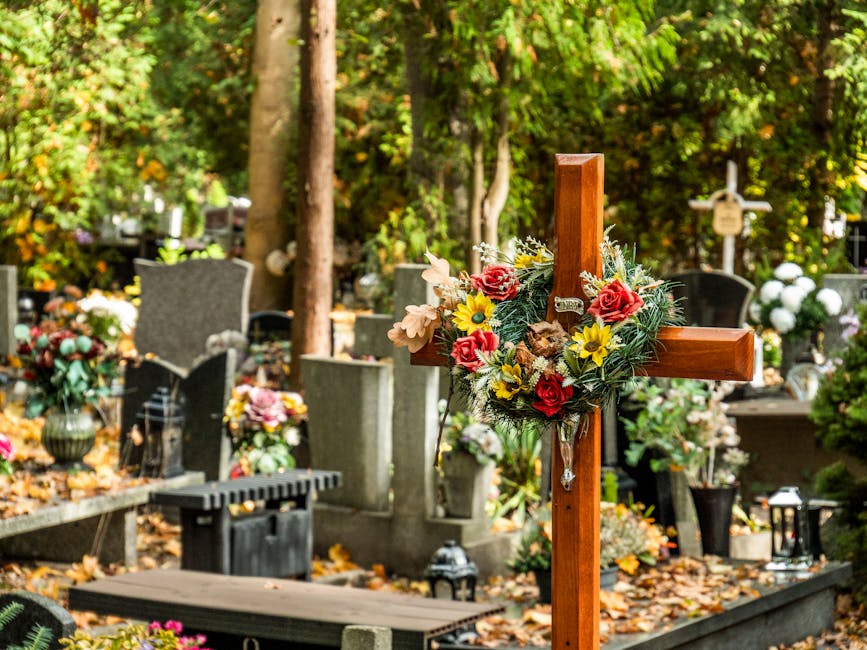
- Ignoring venue rules. A crematorium, church, or hall may want all tributes removed by a certain time.
Another common issue is unclear responsibility. Who is taking the flowers? Who keeps the cards? Who clears the room? If nobody says it out loud, the answer can become a rather awkward silence. So, appoint one person if possible. Not forever. Just for the day.
Tools, Resources and Recommendations
You do not need special equipment to handle funeral flower disposal well, but a few simple items help:
- Sharp scissors or secateurs for cutting stems and ribbon.
- Disposable or washable gloves for handling damp material.
- Separate bags or boxes for keepsakes and waste.
- Paper towels or cloths for water spills.
- A small pair of garden shears if the tribute includes thick stems or wired branches.
- Labels or sticky notes for identifying cards and keepsakes.
For families who want to keep flowers fresh a little longer before deciding what to do with them, general flower care guidance can be useful. You may also find that a reputable local florist offers advice on what materials were used in a tribute. That is especially helpful with bespoke memorial pieces, where the structure may not be obvious at first glance.
Some people also think ahead when choosing funeral flowers by selecting styles that suit both the service and the aftermath. For example, arrangements from sympathy flower collections or the broader all flowers range can help you match the tribute to the setting more carefully.
Law, Compliance, Standards, or Best Practice
This is the part people often want a simple yes-or-no answer for. Unfortunately, local waste handling tends to depend on the material, the collection system, and the venue's own rules. So the most accurate way to frame it is as best practice rather than a hard one-line rule.
In the UK, households are generally expected to sort waste sensibly and avoid placing unsuitable items into recycling or garden waste streams. That principle applies here too. If a funeral tribute includes foam, wire, plastic wrap, floral tape, or printed materials, it should not automatically be treated as organic waste. If there is uncertainty, residual waste is usually the safer route unless a local collection scheme clearly accepts the material.
There is also a dignity and safety angle. Wet flowers can slip. Sharp wires can puncture bags. Floral foam breaks apart easily and creates a mess. So best practice is to dismantle carefully and keep hazardous bits away from children and pets. In a family home, that matters more than people sometimes realise.
As for Harrow Council guidelines specifically, it is wise to check current local waste rules if you are unsure about green waste, mixed waste, or bulky floral tributes. Councils can change collection instructions, especially around what is accepted in composting or garden waste services. If the material is for a venue collection rather than a council bin, the venue may set its own procedure first. This is one of those situations where local knowledge beats assumption every time.
Options, Methods, or Comparison Table
Here is a straightforward comparison of the main ways people deal with funeral flowers after a service.
| Method | Best for | Pros | Watch out for |
|---|---|---|---|
| Keep as a memento | Tributes with emotional value | Preserves a personal connection | Needs space and care, and flowers will fade |
| Dry or press flowers | Selected blooms or small arrangements | Simple, sentimental, low cost | Not all flowers dry well; colours may change |
| Compost or green waste | Clean, natural flowers and foliage | Environmentally sensible | Only suitable if non-organic parts are removed |
| Residual waste | Mixed-material tributes | Practical and safe when sorting is difficult | Less environmentally ideal than composting |
If you are deciding between these methods, ask a simple question: what matters most here, memory, convenience, or sustainability? Sometimes the answer is a little of all three. A few stems may be kept, the rest composted, and the ribbon binned. That is perfectly normal.
For families looking at floral choices in advance, something like flower petals or a smaller style such as a compassion posy may suit a quieter service and create less disposal complexity later.
Case Study or Real-World Example
Here is a typical local scenario. A family in Harrow receives a large wreath, two sprays, and several sympathy cards after a crematorium service. The flowers are beautiful, but by the evening the room is starting to feel crowded and a few petals are already dropping onto the floor. Everyone is tired. Nobody wants to make a wrong move.
They decide to split the task. One person checks the cards and puts them aside in a box. Another removes the ribbon and keeps one piece for a memory drawer. A third person trims the stems and separates the flowers from the plastic wrap. The clean blooms go into a compostable pile, while the foam-backed sections are placed in residual waste. The wreath frame is checked to see whether any wire can be removed cleanly; if not, it goes with the mixed waste too.
Nothing dramatic happened. No complicated rules. Just a quiet, careful process. By the end, the room looked calmer, and a few stems were set aside in a vase for the next day. That small decision made a difference. The family felt they had handled the flowers properly, and more importantly, respectfully.
That is really the heart of it. Disposal does not have to be perfect to be thoughtful.
Practical Checklist
Use this quick checklist when dealing with funeral flowers:
- Have I checked whether anyone wants to keep a card or bloom?
- Have I separated cards, notes, and keepsakes from the tribute?
- Have I identified any plastic, foam, wire, or tape?
- Can any flowers or foliage be composted cleanly?
- Do I know whether the venue wants the flowers removed today?
- Have I left the tribute dry enough to handle safely?
- Have I placed mixed materials into the correct waste stream?
- Have I wiped up water, petals, and loose debris?
- Do I need to ask the florist what materials were used?
- Have I kept a few stems or notes aside if the family wants them?
If you can tick most of those off, you are in good shape. No need to overthink it.
Conclusion
The disposal rules for funeral flowers in Harrow Council guidelines are best understood as a mix of practical waste sorting, respectful handling, and local common sense. The key is not to rush. Separate the keepsakes, identify the materials, and then choose the most appropriate route for each part. In many cases, that will mean a combination of remembering, composting, and responsibly disposing of what cannot be reused.
For families, the real aim is to keep the process calm and dignified. For venues, it is about tidiness and sensible waste handling. For everyone involved, it is about treating the flowers as part of the farewell, not just as something to clear away. A small task, yes, but an important one.
If you are planning ahead or arranging a tribute now, choosing the right style of flowers can make everything easier later. A thoughtful design, a clear delivery plan, and a little guidance can remove a lot of pressure on the day.
Get a free quote today and see how much you can save.
Frequently Asked Questions
Can funeral flowers go in the council garden waste bin?
Sometimes, but only if the arrangement is made up of clean, natural plant material and the local collection rules accept it. If there is foam, ribbon, plastic wrap, wire, or tape, it usually should not go into garden waste without sorting first.
What should I do with funeral cards and messages?
Keep them aside before any disposal happens. Many families place cards in a memory box or folder. Once they have gone into a bin, they are gone for good, so it is worth checking twice.
Are floral tributes allowed in recycling?
Usually not as a whole arrangement. Mixed funeral flowers contain too many different materials. Paper cards or clean cardboard sleeves may be recyclable in some cases, but that depends on local collection rules and how clean the material is.
Can I compost funeral flowers at home?
Yes, if the flowers are mostly natural and you remove non-compostable parts first. Foam, plastic, and wire should be taken out. If the tribute is very mixed, home composting may not be the best option.
How long should I wait before clearing funeral flowers?
That depends on the venue and the family's wishes. Some tributes are removed the same day, while others stay for a day or two. If in doubt, ask the organiser or venue staff before clearing anything.
What if the flowers have wire or floral foam inside?
Separate those parts if you can do so safely. If not, treat the arrangement as mixed waste. Wire can be sharp, and floral foam is not suitable for composting or most green waste systems.
Can I keep funeral flowers as a memory?
Absolutely. Many people keep a few stems, dry petals, or one ribbon as a keepsake. It is a simple, gentle way to preserve a connection without storing the whole arrangement.
What is the most respectful way to dispose of funeral flowers?
The most respectful approach is usually to check whether anyone wants to keep anything, separate the sentimental items, and then sort the remaining materials carefully. Respect and practicality can sit side by side quite happily here.
Do crematoriums or funeral venues usually collect the flowers?
Some do, some do not. It varies by venue. Always ask in advance rather than assuming. A quick check saves a lot of confusion later, especially when several families are leaving at once.
Is it better to choose simpler funeral flowers to make disposal easier?
Often, yes. Simpler arrangements can be easier to sort later because they usually contain fewer mixed materials. That said, the right tribute is the one that feels appropriate for the person being remembered. Beauty matters too.
What if I am not sure which bin the flowers should go in?
If you are unsure, separate what you can and place the rest in residual waste until you can confirm the local rules. That is usually safer than putting the wrong materials into recycling or green waste.
Does Harrow Council have special rules for funeral flower disposal?
Local waste guidance can affect how mixed floral waste is handled, especially for green waste and recycling. Because collection rules can change, it is sensible to check the current guidance before disposing of large or unusual tributes.